Restaurants & hotels
Discuss weekly volume, cluster size, packs, delivery days and payment terms. A sample order tests product and route.
Build a market around reliable deliveries and measured costs, then expand production to match confirmed demand.
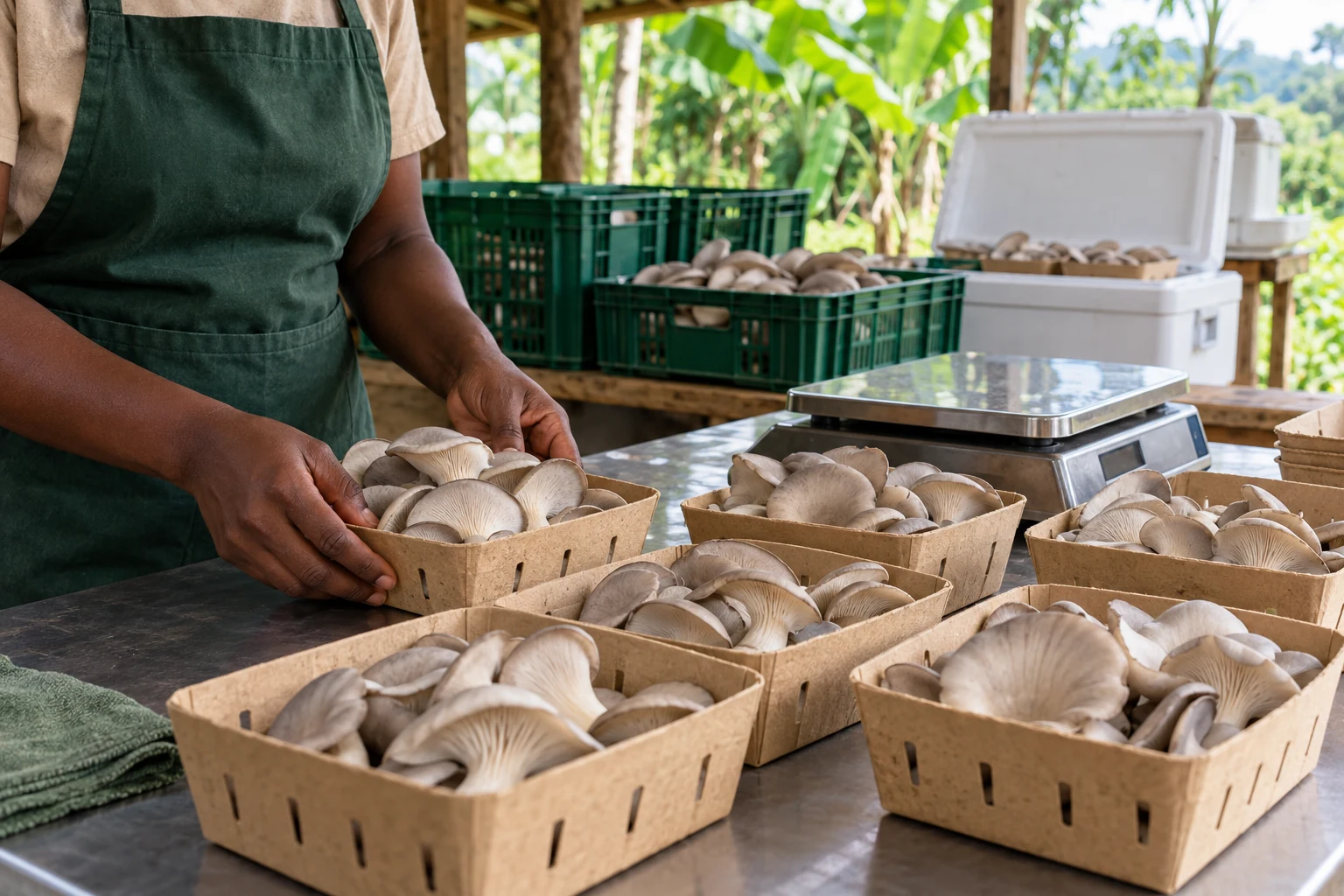
Discuss weekly volume, cluster size, packs, delivery days and payment terms. A sample order tests product and route.
Confirm labels, cold storage, returns and responsibility for unsold stock.
Explain storage and cooking. Pre-orders help match perishable harvest to demand.
Include spawn, collection, water, energy, bags, labour, cleaning, packaging, cooling, transport, rejected harvest, rent and equipment replacement. Divide batch costs by saleable kilograms, not total harvested weight. Keep cash flow separate from profit when customers pay later.
Restaurants, hotels, retailers and processors buy mushrooms for different uses, volumes and delivery schedules. Build buyer relationships around reliable quality, suitable packaging and a dependable cold chain. Interview local buyers, confirm their requirements and obtain dated supplier quotations to establish your costs.
Confirm current business, food handling, labelling and transport requirements with relevant Tanzanian authorities. Organic certification and export acceptance require specific evidence and approval. Agricultural-residue growing alone does not establish certified organic status.
A contact, product specification, delivery location, quantity range and payment arrangement.
Confirmed orders separated from enquiries, samples and hoped-for recurring demand.
Dated inputs, labour time, packaging, cooling and transport assigned consistently to batches.
Invoice, delivery, credit and payment records linked by customer and date.
A reliable scale, agreed packaging, delivery route and contact for receiving.
A schedule of incoming payments and outgoing purchases for the next production cycles.
| Control | Record | How to use it |
|---|---|---|
| Demand | Confirmed quantity and dates rather than general interest. | Keep commitments realistic while pilot yields and timing remain variable. |
| Price | The unit, pack size, date and services included. | A price per pack cannot be compared with a price per kilogram without conversion. |
| Yield | Saleable and actually sold kilograms. | Do not cost the business against an optimistic total harvest alone. |
| Labour and delivery | Hours, distance, frequency and vehicle or courier cost. | Small frequent orders can be expensive even when the selling price is attractive. |
| Cash | Expected receipts, overdue invoices and purchases due. | A profitable invoice can still arrive too late to fund the next batch. |
Discuss mushroom type, acceptable condition and size, pack weight, delivery window and expected weekly quantity. Ask who receives deliveries and approves invoices. Write these details down before treating an enthusiastic conversation as an order. Distinguish a trial request from a recurring commitment.
Use a real pack, route and delivery time. Record the delivered weight and feedback on condition, handling and cooking needs. Keep promotional samples separate from paid sales in the ledger. A sample tests your logistics as well as the buyer’s interest.
Record inputs, labour, packaging, cooling, delivery and allocated overheads. Divide by saleable kilograms rather than the planned yield. Keep unsold and rejected product visible. Use dated purchase prices and actual work time so the budget reflects how the farm currently operates.
Confirm quantity range, price basis, payment period, delivery responsibility and how quality issues are handled. Match the agreed supply volume to your recorded harvest capacity. Retain quotations and the agreed specification with the customer record instead of relying on informal memory.
Record packed weight, delivered weight, invoice and payment. Check credits for shortages or damaged packs. Follow unpaid invoices so sales on paper are not mistaken for cash available to buy spawn or packaging. Track returns by customer and batch.
Compare repeated batches for saleable yield, labour, delivery cost, returns and cash received. Identify the limiting stage before adding production. More fruiting bags cannot solve a lack of cooling, excessive delivery time or a customer who pays after the next batch needs funding.
When production varies between seasons, agree how buyers will be told about shortages and which orders have priority. Avoid promising a fixed weekly volume on the strength of a single flush. Build the forecast from repeated saleable harvest records and actual order dates.
When a delivery route changes, recalculate the cost and work time. Combining compatible orders may help, but check cooling and receiving windows before choosing a longer route. Keep a note of damaged or returned packs so transport savings do not conceal a larger product loss.
Illustrative figures: 50 kg sold at 8,000 TZS/kg produces 400,000 TZS revenue. At entered batch costs of 250,000 TZS, contribution after those costs is 150,000 TZS and break-even price is 5,000 TZS/kg. Contribution is not net profit if rent, equipment, finance, tax or owner labour are missing.
If only 40 kg sells at the same price, revenue is 320,000 TZS and contribution falls to 70,000 TZS at the same cost. Break-even rises to 6,250 TZS/kg. These are teaching numbers, not current prices or ICL results. Try your own figures in the calculator →
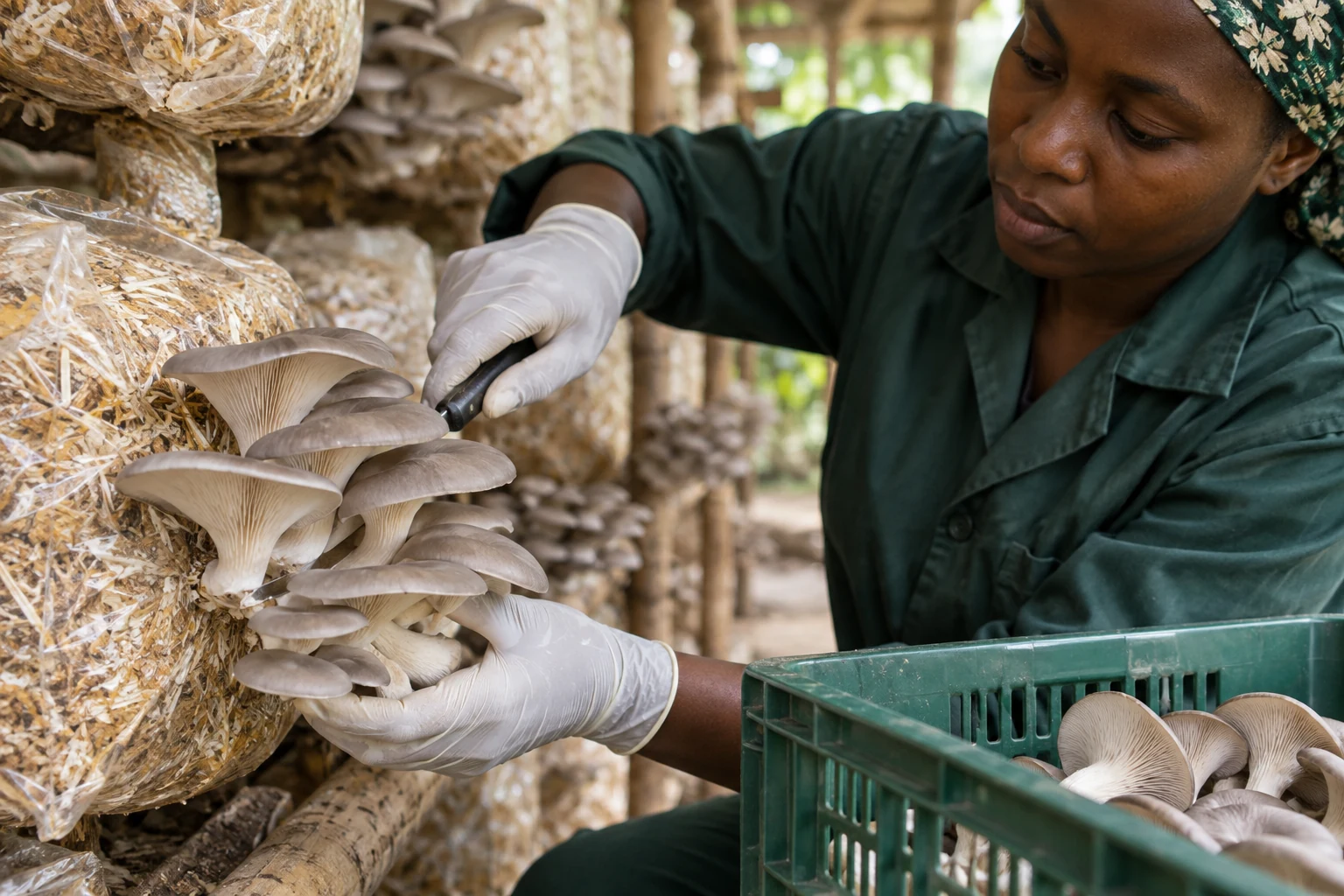
| Observation | Investigate | Next action |
|---|---|---|
| Sales look profitable but cash is short | Unpaid invoices, advance purchases and repayment dates. | Prepare a dated cash-flow schedule and payment follow-up routine. |
| Revenue grows without better earnings | Labour, delivery frequency, packaging and returns. | Compare cost per saleable kilogram and per delivery. |
| Customers do not reorder | Condition, consistency, pack format and communication. | Ask for specific feedback and test one change with a small order. |
| Harvest exceeds demand | Unconfirmed orders, planting schedule and crop variation. | Adjust the next batch schedule; do not assume surplus has a buyer. |
| One buyer dominates income | Concentration of sales and payment exposure. | Develop additional realistic outlets before relying on further scale. |
| Value-added products appear to solve surplus | Processing losses, equipment, validated methods and actual demand. | Build a separate costed plan; never process spoiled mushrooms to recover value. |
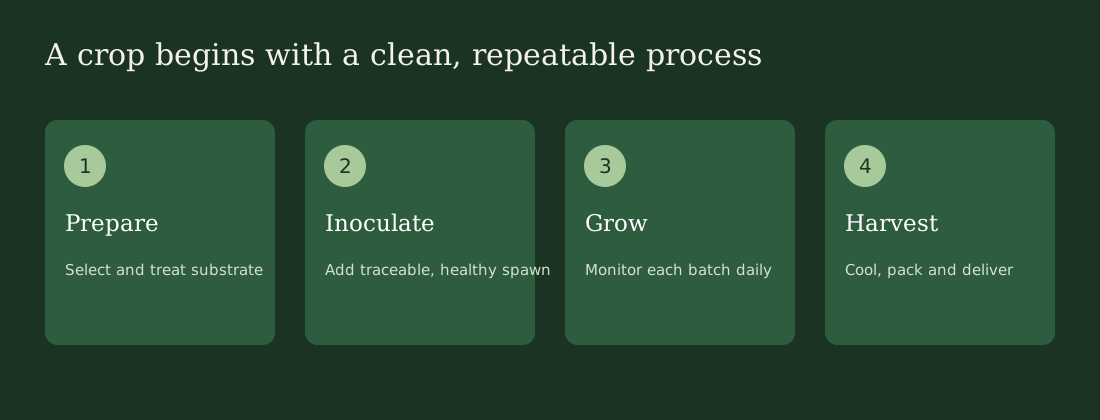
Reviewed 10 October 2026. Follow the instructions for your actual species, strain and equipment. Worked calculations are teaching examples, not measured ICL results.
Further reading on cultivation methods, crop management and farm operations.